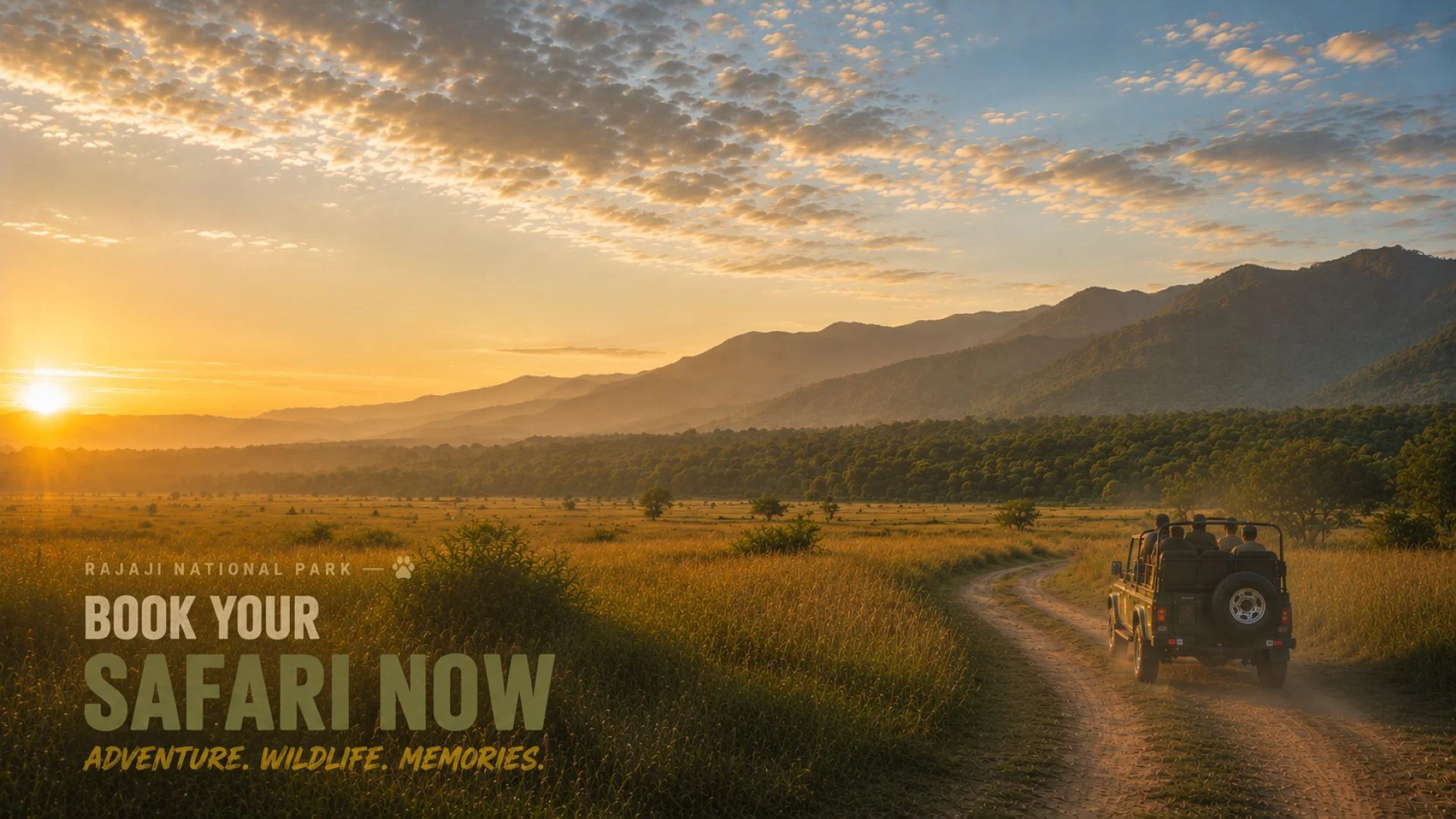
Rajaji National Park Safari Booking
Experience the thrill of wildlife safari, nature walks, and offbeat adventures in the lap of Rajaji National Park.
Discover Rajaji
National Park
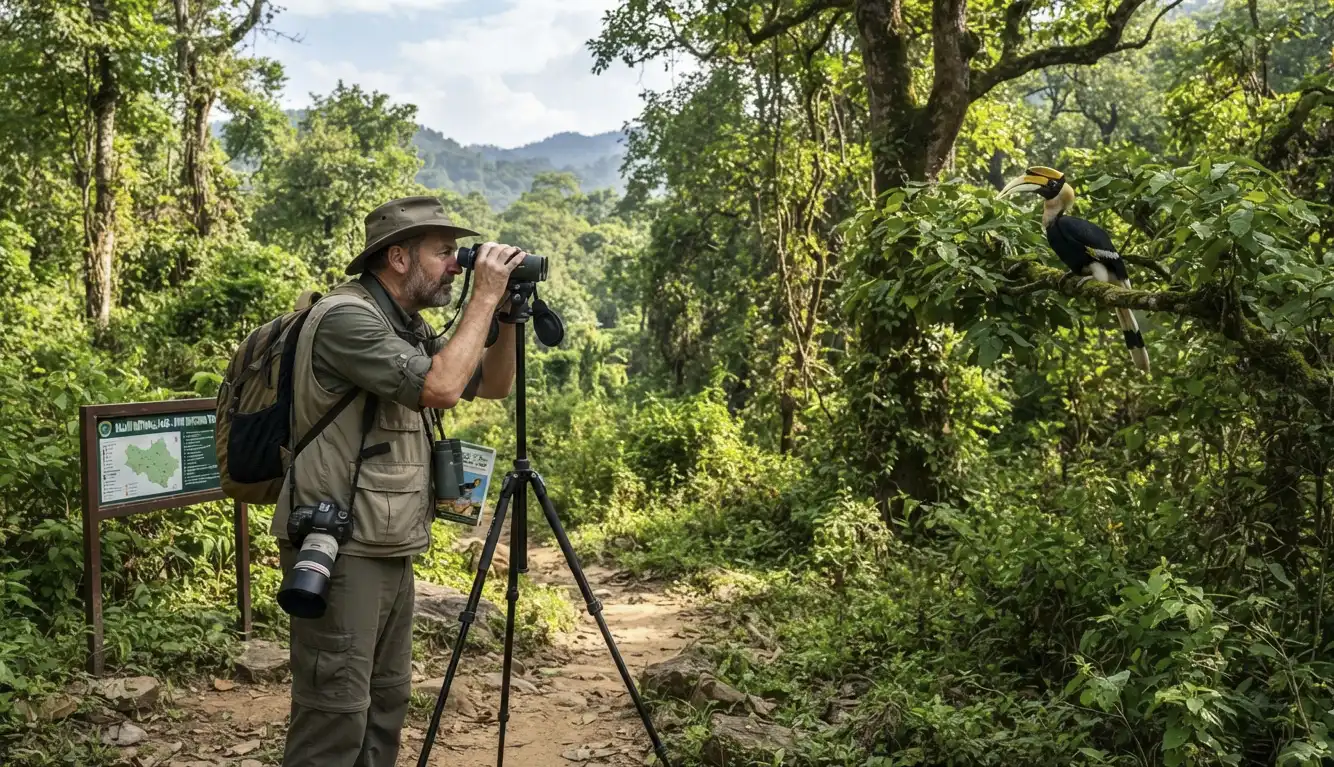
Rajaji National Park is a perfect blend of Shivalik hills, dense forests, rivers, and grasslands. It is home to elephants, tigers, leopards, deer, and over 300 species of birds.
Rich Wildlife
Home to Elephants, Tigers, Leopards & 300+ bird species.
Scenic Beauty
Rivers, forests, hills and breathtaking landscapes.
Adventure
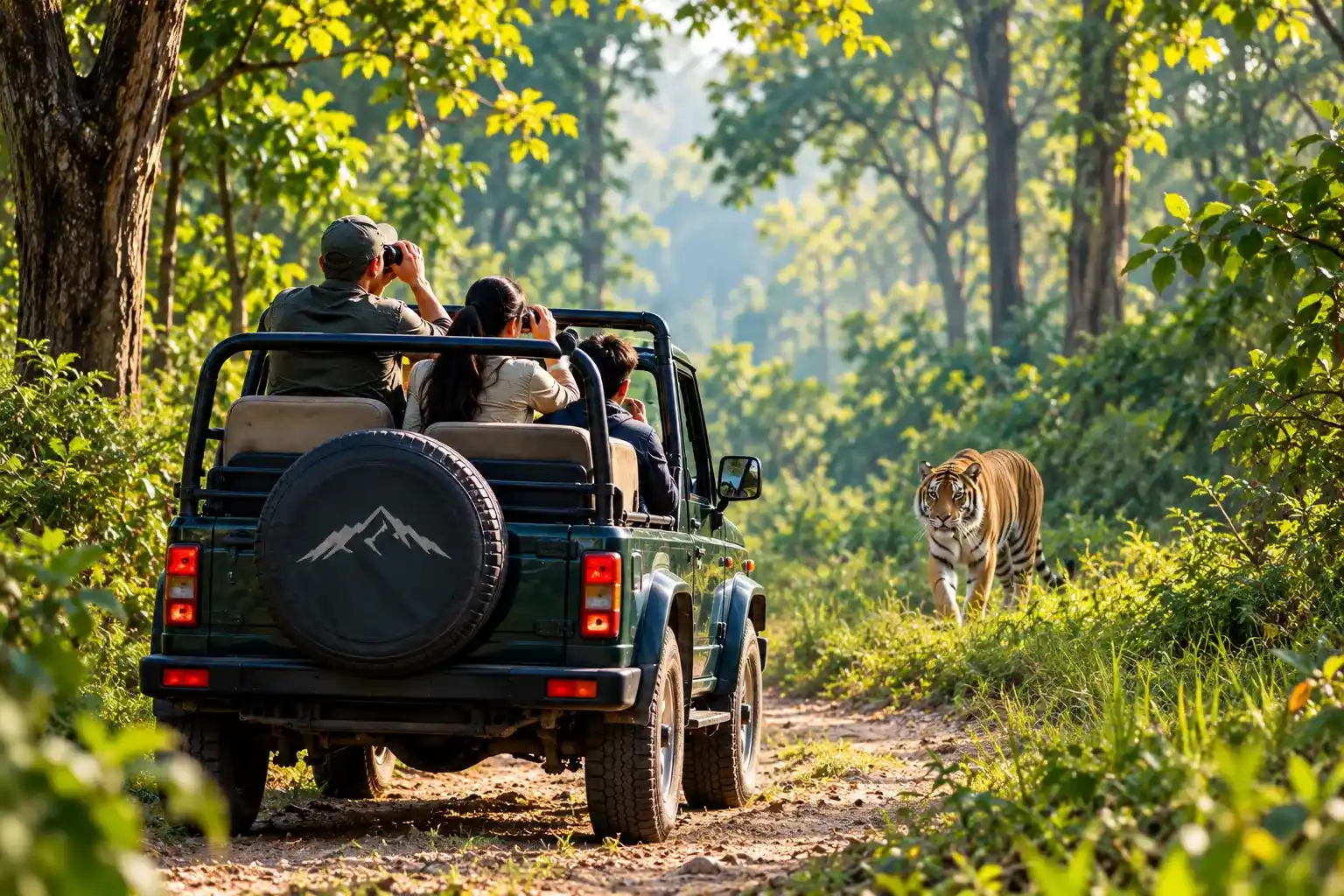
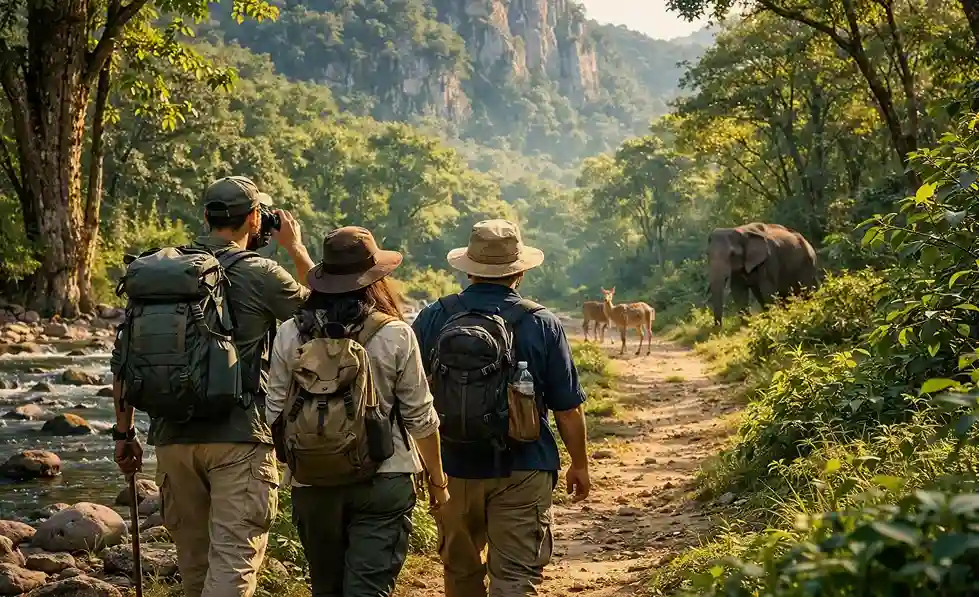
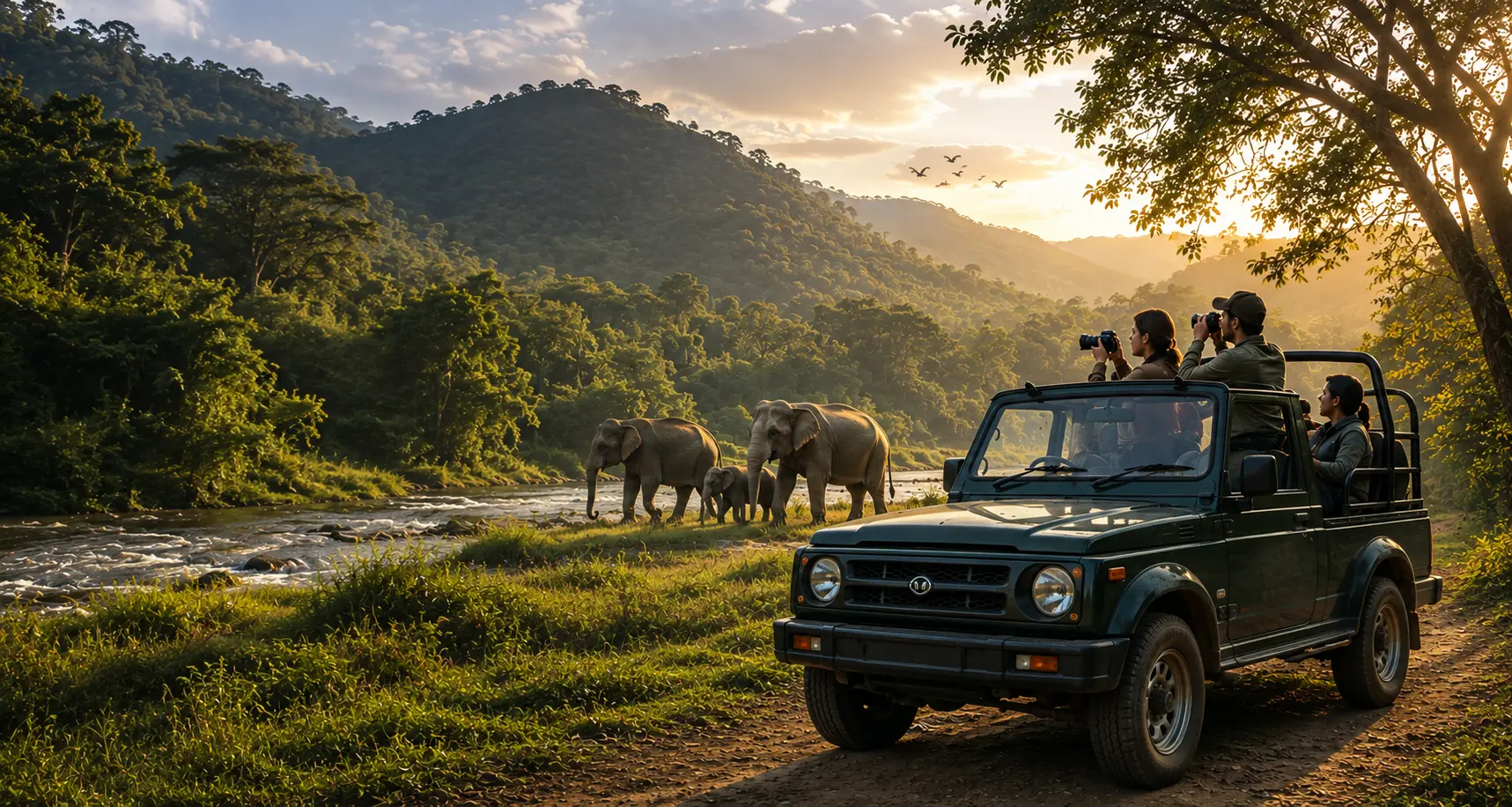
Jungle safaris, nature walks, bird watching & more.
Expert Guides
Professional guides ensure a safe and memorable journey.
History of
Rajaji National Park
Rajaji National Park is one of the most beautiful wildlife destinations in Uttarakhand, spread across the Shivalik foothills of the Himalayas.
The park was established in 1983 by bringing together the earlier Rajaji, Motichur and Chilla wildlife sanctuaries. It was named after Shri C. Rajagopalachari, popularly known as Rajaji.
The landscape of the park is a unique combination of dense Sal forests, river valleys, grasslands and Shivalik hills. The Ganga and its surrounding ecosystems make the region especially important for wildlife.
1983 — Rajaji National Park was established.
2015 — Rajaji became a Tiger Reserve.
The park is home to elephants, tigers, leopards, deer and many other species.
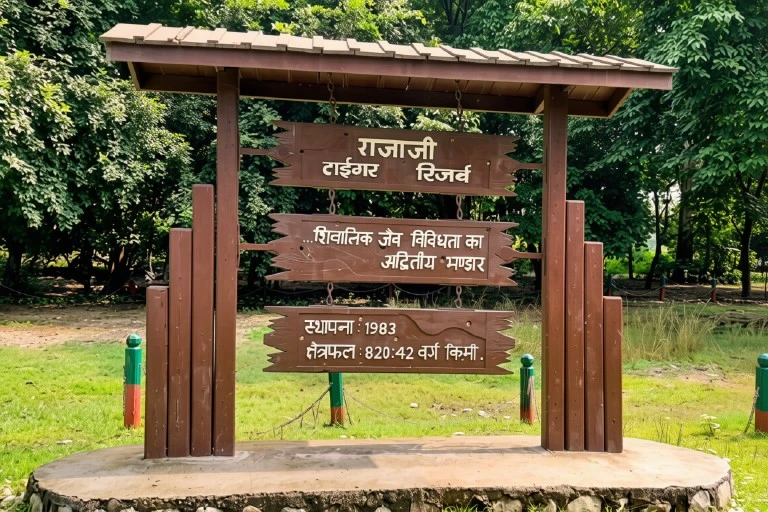
Uttarakhand
Why Visit Rajaji National Park?
Rich Wildlife
Home to elephants, tigers, leopards, deer & more.
Scenic Beauty
Shivalik hills, rivers, forests & grasslands.
Adventure Activities
Jeep safaris, nature walks, bird watching & more.
Perfect for Nature Lovers
A paradise for photographers & nature enthusiasts.
Expert Guides
Trained naturalists ensure a safe & memorable trip.
Explore Rajaji Safari Zones
Rajaji National Park offers different landscapes and wildlife experiences across its safari zones. Choose the zone that matches your adventure and discover the wild beauty of Uttarakhand.
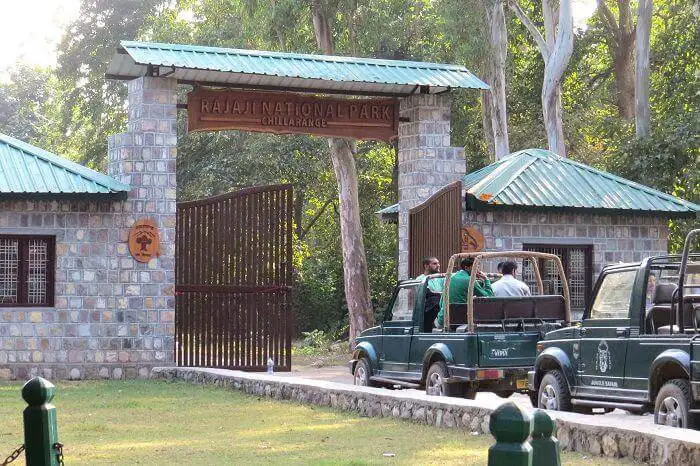
Chilla Zone
Chilla is one of the most popular safari areas of Rajaji and offers a beautiful combination of dense Sal forest, open grasslands and riverine landscapes.
The zone is known for its rich wildlife and is a great choice for visitors hoping to experience elephants, deer, leopards and a variety of birds during their safari.
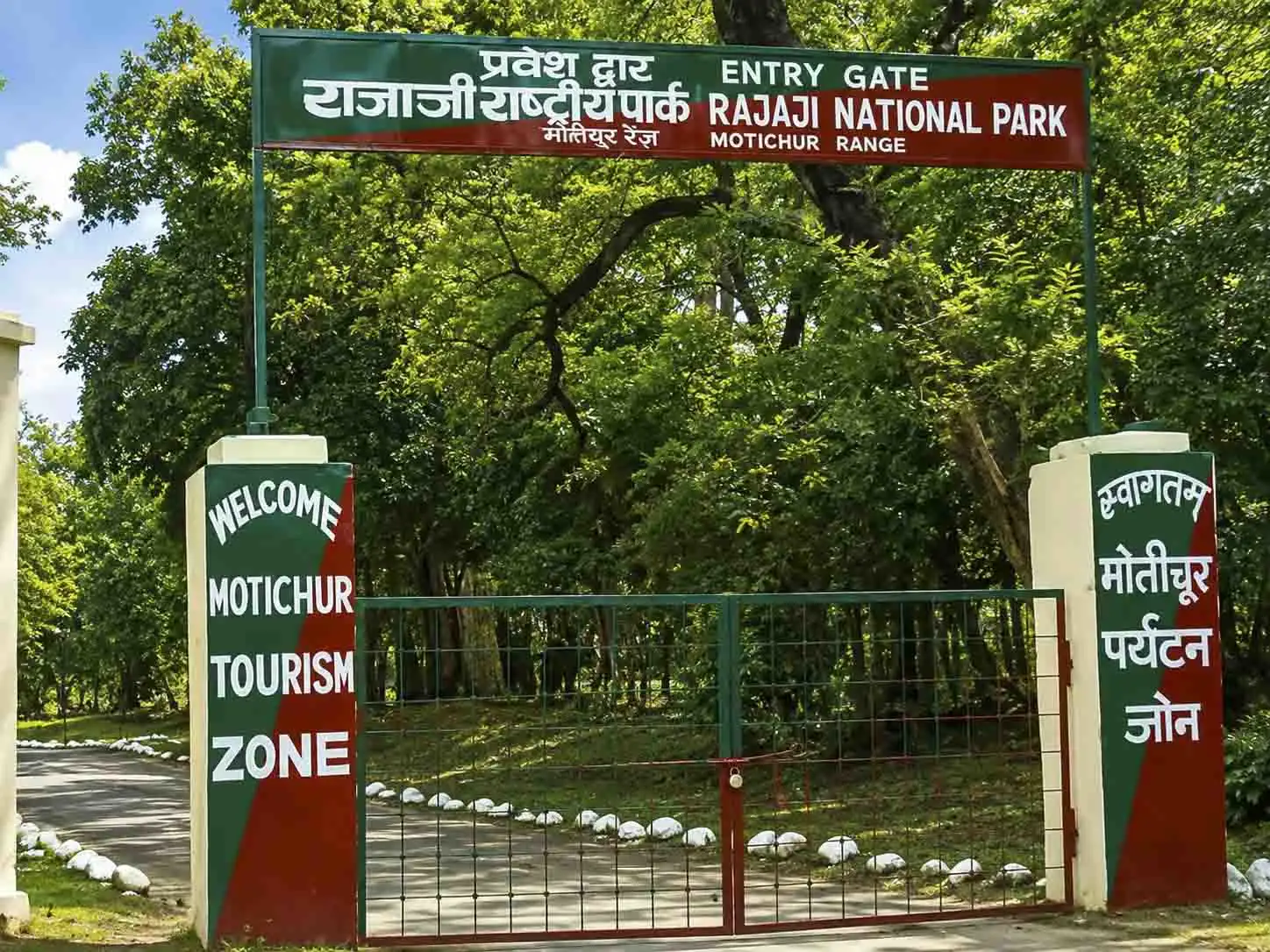
Motichur Zone
Motichur lies in the western part of Rajaji and provides a quieter forest experience. Its Sal forests and open areas create an attractive habitat for wildlife.
The zone is connected with the wider wildlife landscape around Chilla, and elephants are among the animals that can be encountered in this area.
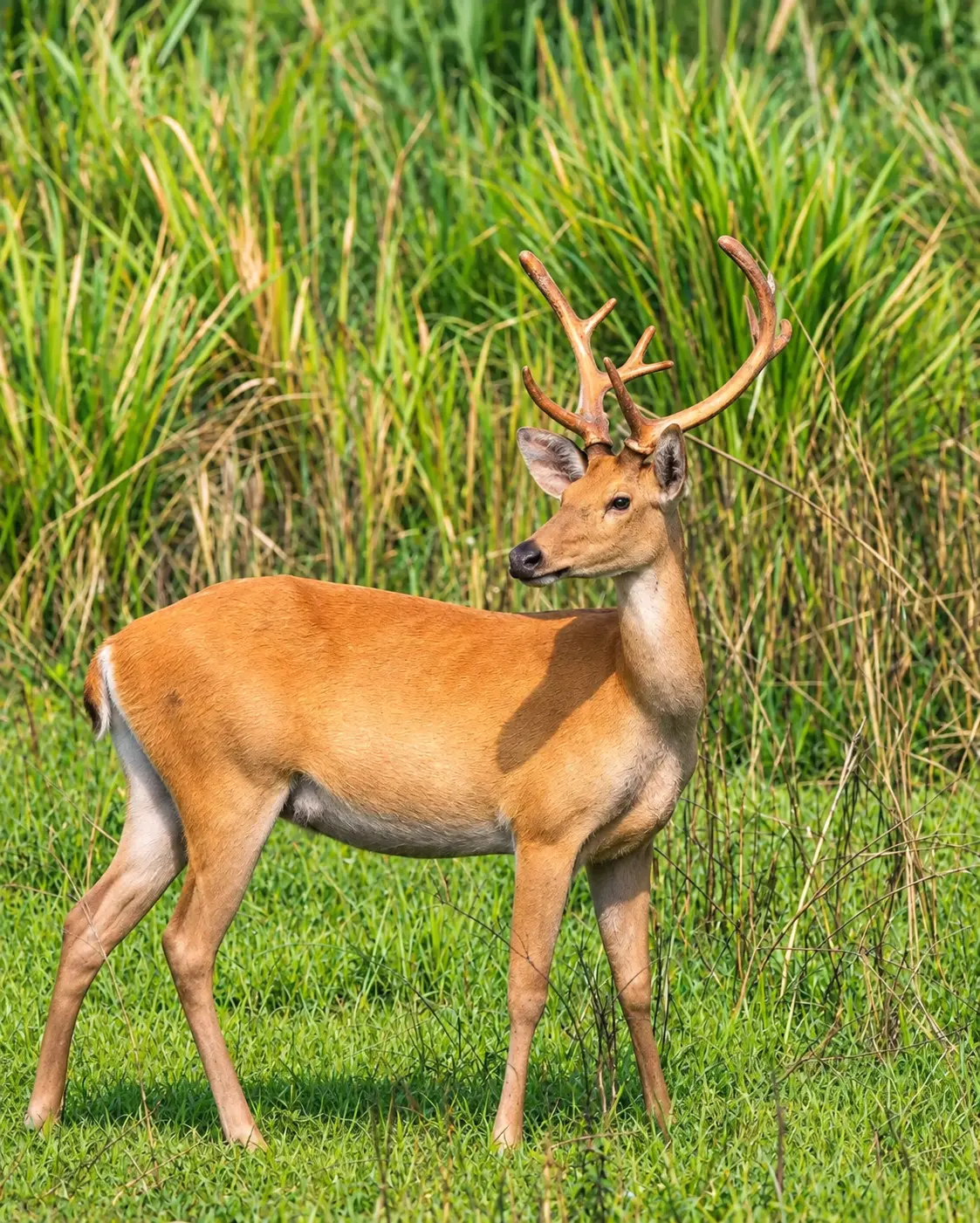
Jhilmil Jheel Zone
Jhilmil Jheel offers a completely different landscape with wetlands, marshy grasslands and open areas. It is especially interesting for nature lovers and bird watchers.
The area is well known for its Swamp Deer conservation habitat and can also offer sightings of elephants, deer, wild boar and many bird species.
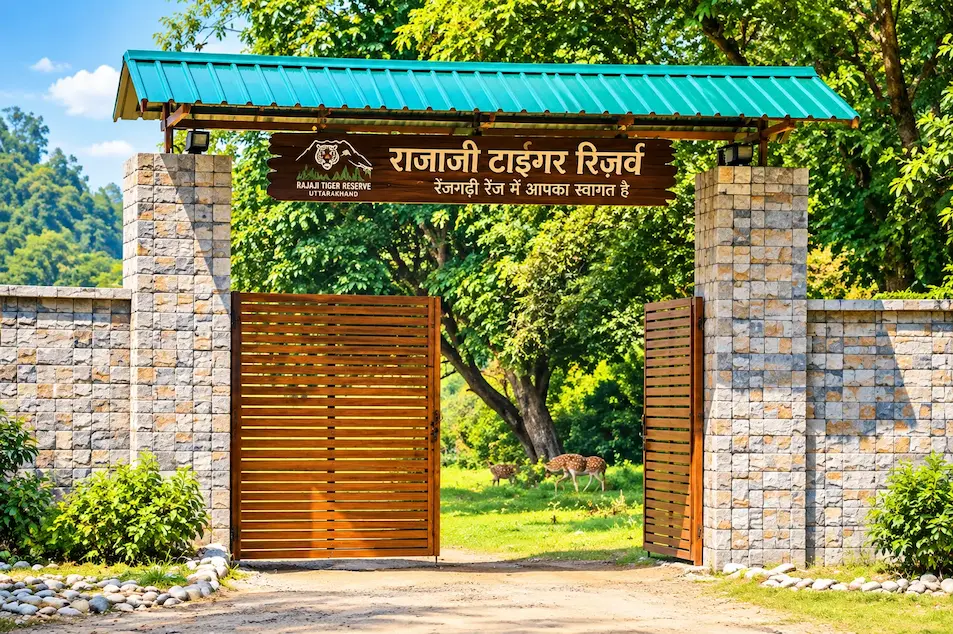
Ranipur Zone
Ranipur offers a different side of the Rajaji landscape with scrub forests, woodland and Terai-influenced surroundings.
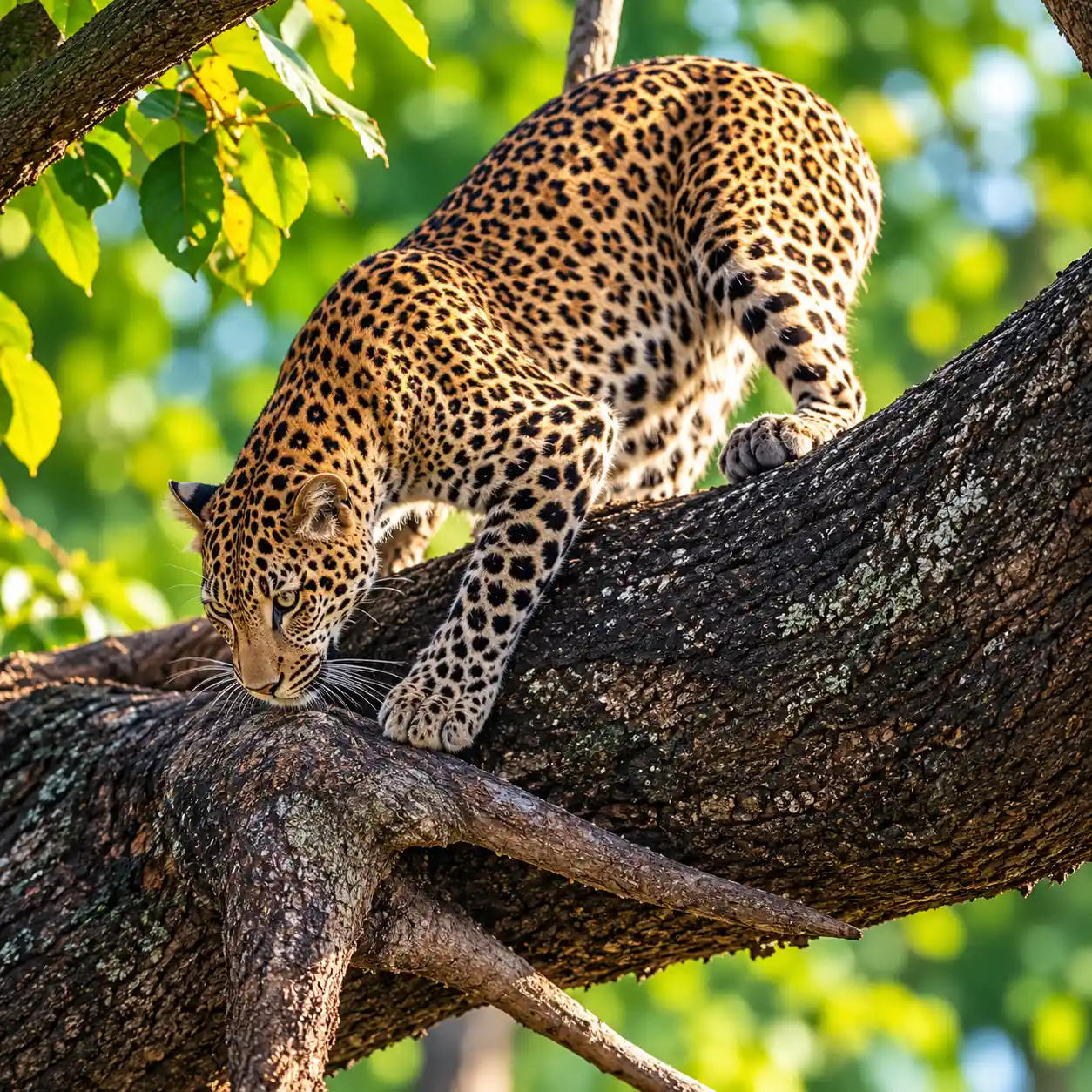
The zone is known for its peaceful safari experience and has opportunities for spotting wildlife such as leopards, deer and several species of birds.
Chillawali Safari
Chillawali is one of the most popular safari areas of Rajaji and offers a beautiful combination of dense Sal forest, open grasslands and riverine landscapes.
The zone is known for its rich wildlife and is a great choice for visitors hoping to experience elephants, deer, leopards and a variety of birds during their safari.
What Our Visitors Say
Frequently Asked Questions
Geography of Rajaji
National Park
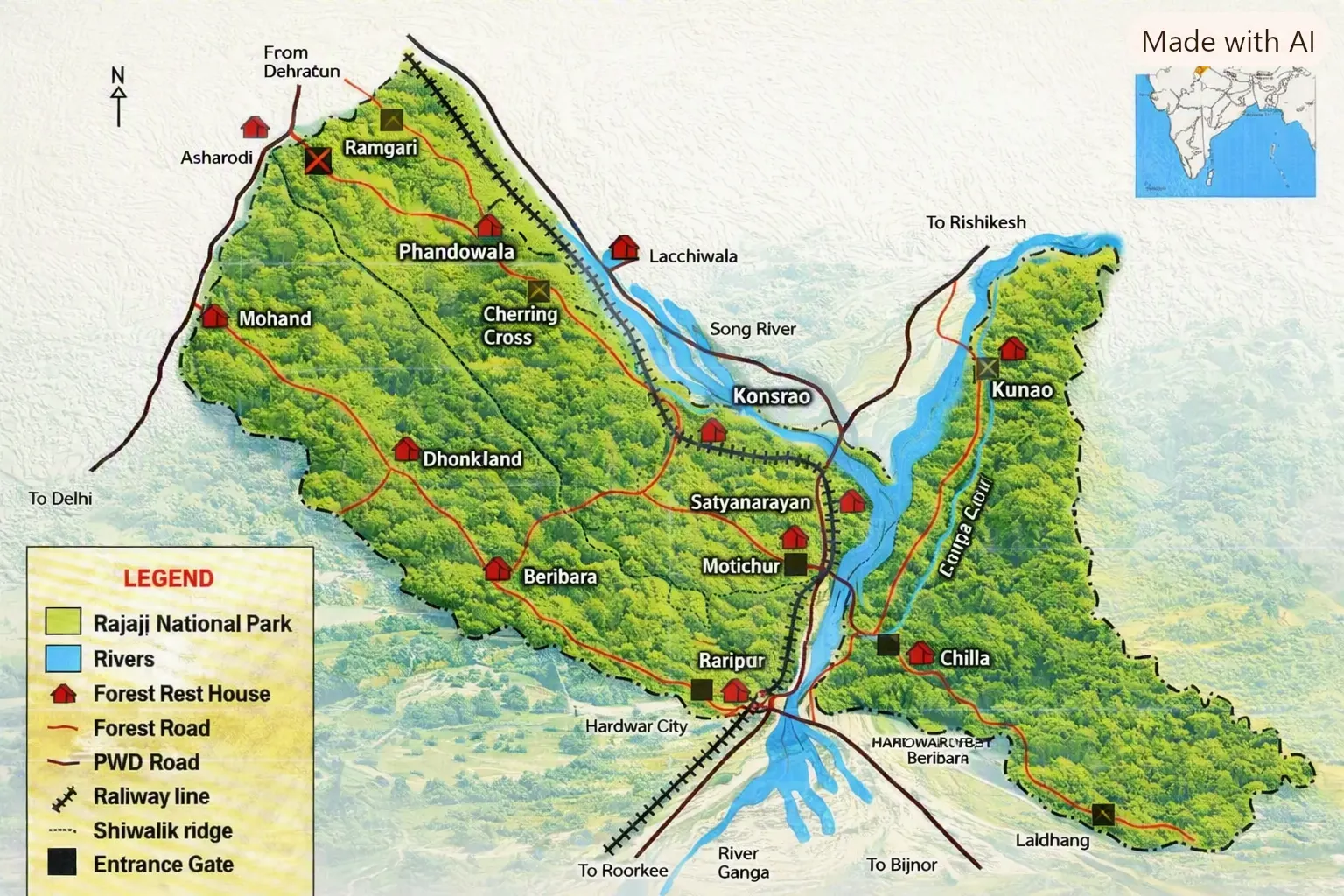
Rajaji National Park is located in the Shivalik foothills of the Himalayas in Uttarakhand. The park forms an important ecological landscape between the Himalayan foothills and the Terai region.
Its geographical character is shaped by a combination of forested hills, river valleys, grasslands and streams. The landscape around Haridwar, Rishikesh and Dehradun provides a variety of natural habitats for the wildlife of Rajaji.
The Ganga River and several seasonal streams play an important role in the ecology of the park. Riverine areas support vegetation and grasslands while providing water and habitat for species such as Asian elephants, deer, wild boar and numerous bird species.
A large part of the landscape is characterised by Sal forests, mixed woodland, riverine forests and open grasslands. This combination of habitats gives Rajaji National Park its distinctive geographical and ecological character.
Jhilmil Jheel – A Unique Wetland Landscape
One of the distinctive geographical features associated with Rajaji is Jhilmil Jheel, a wetland and grassland landscape that offers a different environment from the dense forest habitats found across much of the park.
The open marshy areas, grasslands and surrounding vegetation create an important habitat for wildlife and birdlife. Jhilmil Jheel is particularly notable for its association with the Swamp Deer conservation habitat.
This wetland ecosystem adds another dimension to the geography of Rajaji National Park. For nature lovers and wildlife enthusiasts, Jhilmil Jheel offers an opportunity to experience a quieter and distinctly different side of the Rajaji landscape.
Choose Your Adventure
Wildlife You Can Spot
From majestic Asian elephants and elusive leopards to ancient Sal forests and vibrant riverine vegetation, Rajaji National Park is a remarkable meeting point of flora and fauna in the Shivalik landscape.
Fauna
Flora
Rajaji's forests, grasslands and river ecosystems create a diverse habitat that supports a remarkable variety of wildlife.
Ready for a Wildlife Encounter?
Join us for a memorable safari through the forests of Rajaji National Park.